Studio Journal
Which Picture of Your Pet Works Best
No megapixel rules here. Window light, get down to their level, keep the eyes sharp. Plus what we do with a black dog, a fluffy coat, or the one picture you have left.
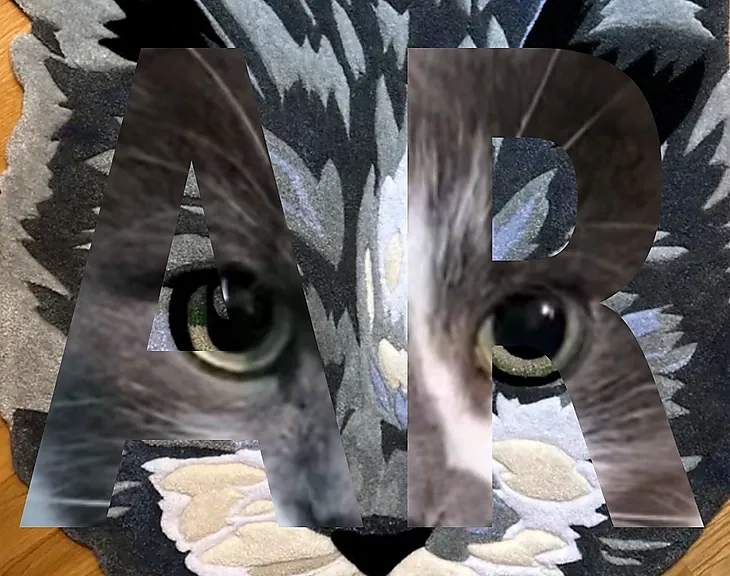
Almost everybody sends a picture and then says sorry for it. Don’t. A snapshot off your phone, taken in the kitchen while the dog was busy doing something else, has made plenty of good rugs. Here is what helps, what nobody needs to worry about, and what happens when the only picture you have is a tough one.
Nobody at a print shop looks at your picture. We do.
Send a file to a print operation and it lands on cloth exactly as it arrived. Dark picture, dark mat. There is no reason for anyone to open it first, because no decision is being made.
On this end somebody sits down and redraws your animal before a single strand of yarn moves. That drawing has to settle things your picture may have left open. The color of the fur under the chin. How far the ear folds over. Whether the eye is amber or plain brown. Every one of those turns into a yarn that gets locked in the moment tufting starts, so the picture gets read at the quote, not after it. That is the whole gap between a drawn portrait and a printed one.
Four things that help
Window light. Late morning beside a window beats any camera you could buy. A flash flattens the coat to one shade and kills the catchlight in the eyes, and that catchlight is carrying most of the resemblance.
Get down to their level. Shot from where you stand, a snout squashes and the head comes out stubbier than the animal really is. Kneel and the proportions come right back.
Eyes in focus. Everything else can be mushy. Sharp eyes give the drawing something to hang on.
Keep the whole animal in frame. An ear sliced off by the edge is an ear somebody has to make up, and made-up ears are the fastest route to a rug that looks like somebody else’s dog.
Four things nobody needs to worry about
Which phone. Which camera. What year. The mess in the background, the couch, the leash still hanging off the collar, whether they sat nicely or got caught halfway through a yawn.
And no, there is no megapixel rule on this page. Figuring out whether a picture will carry a portrait is our work, not a checklist handed to you, and honestly we can see it in a couple of seconds.
Tough pictures we take anyway
A black dog, or a black cat
Black coats do not get tufted in black yarn. They get built from grays, blues and browns, the way a painter builds a black horse, because a solid black patch stops reading like an animal and starts reading like a hole in the rug.
So the picture has to show those colors somewhere. Soft daylight brings them out. Hard midday sun scorches them off, a dark couch swallows them, and a flash erases them outright. When all you have is a black shape on a dark sofa, one more shot near a window usually fixes it. When there is nothing else, we go off the bone structure of the head plus whatever light did land in the eyes and on the muzzle, and you get to look at the mockup before anything is locked in.
A fluffy coat
Length is not what makes it hard. Direction is. Long fur lies a certain way and the shears follow that lay. A slightly blurry picture that shows which way the coat falls beats a crisp head-on shot taken right after the groomer.
One picture left, and they are gone
We get this one often and we take it, no questions asked. Send whatever there is, including a print you photographed off the kitchen table. Mention that in your message, and we will work around what the picture cannot tell us instead of asking for something that does not exist anymore.
Three pictures beat one
Different angles contradict each other in ways that turn out useful. One frame has the ear right, another has the true color, a third catches the face you actually think of when you think of them. Three plain snapshots take a drawing further than one careful portrait, because the disagreements between them are data.
If the three fight about color, tell us which one matches what you see in the room. Screens get coat color wrong more often than they get anything else wrong.
After you hit send
You hear back inside a day: what the picture gives us, what it does not, and the price at the size you are after. If nothing will hold up from what you have, we tell you right then, before you have paid anything.
From there a thirty percent deposit locks the slot and opens the drawing stage. The color mockup comes back to you held up against your own picture, and you sign off before any yarn gets cut. Revisions at that point cost nothing. The rest of the run is laid out in how a pet portrait rug gets made.
Commission
Have a piece in mind?
Made to order in any size. We reply within 24 hours with a price and a lead time.
Send an inquiry