Journal
What Photo to Send for a Pet Rug
Daylight, eye level, sharp eyes, nothing cropped. What helps a hand-tufted pet portrait, what makes no difference at all, and what we do with a black dog or one old photo.
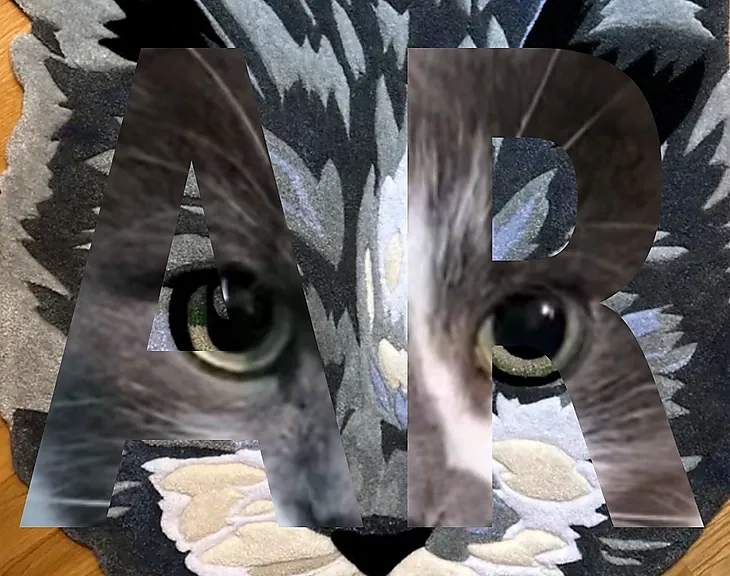
Most people send a photo and then apologise for it. There is no need. A phone picture taken in a kitchen has carried plenty of portraits. What follows is what genuinely helps, what makes no difference at all, and what we do when the only photo you have is a difficult one.
Why a printing shop asks nothing and we ask something
A printed mat takes your file and lays it on cloth. Whatever the file holds, the mat holds. A dim photo makes a dim mat. Nobody looks at it first, because nothing is being decided.
Here a person redraws the animal before any yarn moves, and the drawing has to answer questions the photograph may not have answered. What colour is the fur under the chin. Where does the ear fold, and how far. Is the eye amber or brown. Each of those becomes a yarn choice that cannot be undone once tufting starts, which is why we read the photo before quoting rather than after. The difference between a tufted portrait and a printed one is exactly this: one is drawn, the other is copied.
What actually helps
Daylight. A window at midday does more for a portrait than any camera. Flash flattens the coat into one tone and takes the shine out of the eyes, and the shine in the eyes is where most of the likeness lives.
The camera at the animal’s eye level. Photographed from standing height, a muzzle foreshortens and the head comes out shorter than it is. Crouch down and the proportions come back on their own.
Sharp eyes. The rest of the frame can be soft. If the eyes are sharp, the drawing has an anchor and everything else can be built around them.
Nothing cut off by the edge of the frame. An ear clipped by the crop is an ear we would have to invent, and an invented ear is the quickest way to lose a likeness.
What makes no difference
Not the phone, not the camera, not the year it was taken. Not the background, the clutter, the sofa, the lead still clipped on. Not whether the animal sat still or was caught mid-yawn.
We are not going to ask you for a file size or a pixel count. Working out whether a photograph will carry a portrait is our job, not a form for you to fill in, and the honest answer is that we can tell by looking at it.
Difficult photos we take anyway
A black dog or a black cat
A black coat is not tufted in black yarn. It is built out of greys, blues and browns, the same way a painter builds a black horse, because a flat black field reads as a hole in the rug rather than as an animal.
So what we need from the photograph is somewhere those colours are visible. Soft daylight gives them. Direct sun burns them out, a dark background swallows them, and flash removes them completely. If the only picture is a black shape against a dark sofa, one more taken near a window usually settles it. If there is no other picture, we work from the structure of the head and whatever light the eyes and the muzzle did catch, and you see the mockup before anything is committed.
A long coat
Length is not the difficulty. Direction is. Long fur falls a particular way, and the shearing follows that fall. A photograph that shows which way the coat lies, even a slightly blurred one, tells us more than a crisp shot taken head on straight after a grooming.
One photo, and the animal is gone
This is the most common difficult case, and we take it without a discussion. Send whatever exists, including a printed picture photographed on a table. Say which one it is when you write, and we will work around what the photograph cannot tell us instead of asking you for something that no longer exists.
Send two or three, not one
Angles disagree with each other in useful ways. One frame shows how the ear sits, another shows the true colour, a third catches the expression you actually recognise. A drawing gets further from three ordinary photographs than from one careful one, because the differences between them are themselves information.
If the three disagree about colour, tell us which looks right to you in the room. Screens misrepresent coat colour more than they misrepresent anything else.
What happens after you send it
We reply within a day with what the photograph gives us, what it does not, and the price for the size you want. If no portrait will hold up from what you have, we say so at that point, before any money changes hands.
After that a thirty per cent deposit confirms the order and opens the drawing stage. You see the colour mockup, matched against your photograph, and approve it before any yarn is cut. Changes at that stage are free. The rest of the sequence is described in how a pet portrait rug is made.
Commission
Have a piece in mind?
Made to order in any size. We reply within 24 hours with a price and a lead time.
Send an enquiry